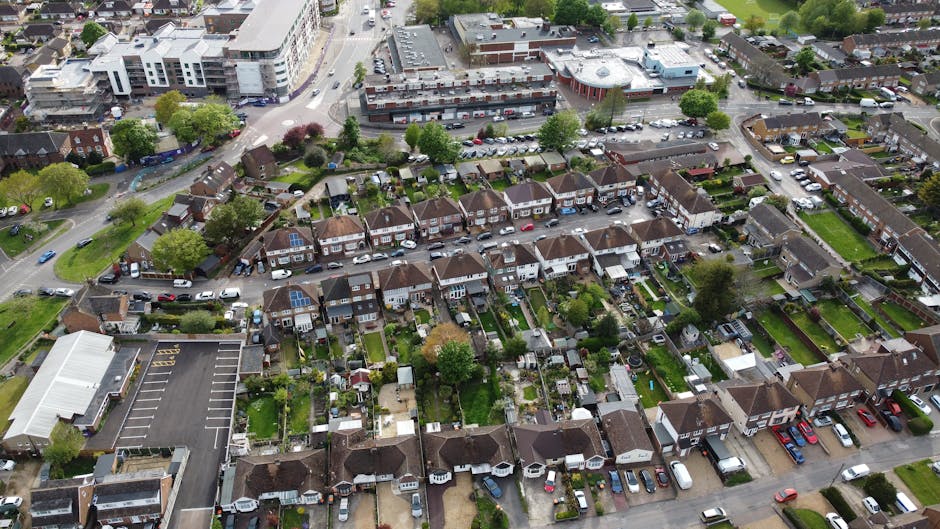
Affordable gardeners for flats near Upton Lane West Ham
If you live in a flat near Upton Lane in West Ham, keeping outdoor space tidy can feel like a small battle that never quite ends. A balcony collects pots and windblown leaves, a shared courtyard gets patchy fast, and even a modest front or rear access area can start looking tired before you've had time to think about it. That's where affordable gardeners for flats near Upton Lane West Ham make a real difference: practical help, sensible pricing, and results that don't make your monthly budget groan.
For many people, the goal is not a show garden. It's something simpler and far more useful: neat, safe, welcoming, and easy to maintain. In a busy part of East London, that usually means choosing a gardener who understands smaller spaces, awkward access, neighbours, and the reality of flat living. This guide breaks down how it works, what to expect, and how to choose a service that gives proper value without cutting corners.
One thing worth saying straight away: affordable does not have to mean flimsy. If the job is planned properly, the right gardener can save you time, reduce ongoing mess, and stop little problems becoming bigger and pricier ones. Let's get into the detail.
Why Affordable gardeners for flats near Upton Lane West Ham Matters
Flat living changes the way gardening works. You may not have a full lawn or a big border, but you still have maintenance needs. A balcony with climbing plants needs trimming, communal edges need tidying, and shared outdoor spots can quickly look neglected if no one takes ownership. In practice, the mess builds up in small, frustrating ways: old compost bags by the bins, plants blocking the light, moss in a narrow paved area, or dead leaves making the whole place feel less cared for.
For residents near Upton Lane, the issue is often more about convenience than ambition. You need someone who can work around tight entrances, limited storage, and shared access without turning the place upside down. That matters because a well-kept exterior affects how you feel when you come home. It also affects how visitors, neighbours, and even prospective tenants see the property. To be fair, people notice a tidy entrance before they notice much else.
Affordability matters too. Many flat owners and tenants want help but cannot justify full-scale landscaping costs. So the sweet spot is a gardener who can do the essential jobs regularly, clearly, and without padding the bill. That means smart scheduling, efficient labour, and a clear scope. No drama. No mystery add-ons.
How Affordable gardeners for flats near Upton Lane West Ham Works
In simple terms, this kind of service is about matching the scale of the work to the size of the space. A gardener assesses what needs doing, how often it needs doing, and whether the job is one-off, occasional, or ongoing. For flats, the list is often shorter than for a house, but it can be more fiddly. Narrow access, shared boundaries, and storage issues change the job quite a bit.
Typical work for flats might include pruning overgrown planters, weeding small paved areas, lawn care if there is a communal patch, hedge trimming, leaf clearance, pressure-free tidying, and occasional green waste removal. Some jobs are purely cosmetic. Others are practical, such as preventing plant pots from blocking walkways or keeping shrubs from brushing against windows and railings.
The best services usually start with a clear conversation. What is the space like? Is it private or shared? Does anyone need notice before access? Are there restrictions on noise, timing, or waste disposal? These details sound small, but they save time later. And time, in gardening, is money.
A helpful way to think about it is this: affordable gardeners do not just "do gardening"; they make the job efficient. They bring the right tools, arrive ready, and focus on the work that changes the look and use of the space most quickly.
Key Benefits and Practical Advantages
The obvious benefit is cost control. You pay for the jobs that matter rather than a broad, oversized package. But the real value is broader than that. A good gardener can reduce stress, improve the appearance of the property, and stop maintenance from becoming a nagging chore you keep putting off. We've all done that thing where a tiny weed patch becomes a month-long guilt trip. Not ideal.
- Better presentation: A tidy flat exterior feels cleaner, lighter, and more cared for.
- Less time spent DIY-ing: No hunting for tools or spending your Saturday wrestling with a hedge trimmer.
- Safer walkways: Overgrowth, loose debris, and clutter can all make narrow spaces awkward.
- More predictable upkeep: Regular visits stop jobs from piling up into a bigger bill.
- Improved use of small spaces: Good maintenance makes balconies, patios, and courtyards more usable.
There's also a quieter benefit that people often overlook: consistency. A garden does not need a grand makeover every time. In smaller properties, regular light maintenance usually works better than occasional heavy work. The result looks calm and intentional, not rushed. That calm matters, especially in flats where outdoor space is limited and every square metre counts.
If the property is rented, the benefit is even clearer. A neat exterior helps protect the impression of the home, which can reduce friction between landlords, tenants, and neighbours. If it is owner-occupied, the space simply feels nicer to live with. No one likes opening the window and seeing a jungle in miniature.
Who This Is For and When It Makes Sense
This kind of service is a strong fit for flat owners, tenants, landlords, managing agents, and small blocks of flats that have a shared outdoor area. It is especially useful where no one has the time, equipment, or confidence to keep on top of the work. A lot of people can manage a few pots. Fewer people want to prune, clear, bag, and dispose of everything properly.
It makes sense if you notice any of these situations:
- Plants are getting leggy, dry, or messy in a balcony or courtyard.
- Shared areas are starting to look neglected.
- You want a tidy space before a tenancy changeover or inspection.
- Access is awkward and you need someone who can work carefully.
- You want recurring maintenance rather than one big overhaul.
It also makes sense if your outdoor area is small but visible. In flats, small spaces are often front-and-centre. You see them every day, your neighbours see them, and any untidiness stands out faster than it would in a larger private garden. On a grey morning after rain, a cluttered corner can look worse than it really is. The right gardener can straighten that out surprisingly quickly.
Not every situation needs the same service level. If you only need a seasonal refresh, a one-off visit may be enough. If the space is always in use, or tends to get out of hand after a few weeks, a routine visit is usually better value.
Step-by-Step Guidance
If you are looking for affordable gardeners for flats near Upton Lane West Ham, the process is easier when you break it into steps. That way you avoid vague quotes and awkward surprises later.
- List the actual jobs. Be specific. "Tidy the balcony" is less useful than "trim planters, remove weeds, clear leaves, and bag waste."
- Measure the space roughly. You do not need a surveyor's notebook, just enough detail to explain the size and layout.
- Note access issues. Shared gates, narrow stairways, parking limits, or no-lift access can affect time and pricing.
- Decide on frequency. One-off, monthly, or seasonal visits all suit different needs.
- Ask what is included. Waste removal, minor pruning, and plant disposal should be clearly agreed.
- Check for local fit. A gardener familiar with flat blocks and compact gardens will usually work more efficiently.
- Confirm timing and communication. Simple, reliable updates are underrated. Very underrated.
A practical tip: take a couple of photos before you enquire. A phone picture can explain a cramped courtyard faster than a long message ever will. It also helps the gardener judge how much time the job might need.
Once the work is booked, clear the area if you can. Move loose furniture, secure pets indoors, and give access to taps, storage points, or bin areas where needed. Small preparation often trims a little time off the visit, which helps the budget.
Expert Tips for Better Results
Here's where a bit of experience pays off. In small urban spaces, the best gardening results usually come from a light but regular approach. A monthly tidy-up often beats a dramatic rescue job every few months, especially if the space is exposed to wind, shade, or quick-growing plants. Truth be told, nature does not wait for anyone's diary.
Choose low-fuss planting where possible
If you are planning changes as well as maintenance, pick plants that suit a flat setting: manageable root systems, sensible growth habits, and a tolerance for container life. That reduces future costs and keeps the space easier to maintain. It also makes the gardener's job more focused on shaping and tidying rather than constant correction.
Prioritise visibility points
Spend your budget where people actually notice the space. Entrance areas, rail-adjacent planters, and the first thing you see from the window tend to give the biggest visual return. A small improvement there can make the whole place feel better.
Book before peak growth periods if you can
It is often smarter to arrange garden work before everything gets away from you. By the time a hedge has grown into a shaggy curtain, you may need more labour than expected. Light maintenance is generally easier to control, and easier on the pocket too.
Ask for practical advice, not just labour
A good gardener should be able to tell you if a plant is in the wrong spot, if a pot is overcrowded, or if a certain job is being done too often. That kind of advice saves money over time. The best services are not just hands-on; they are thoughtful.
Common Mistakes to Avoid
People often assume that the cheapest quote is automatically the best one. Sometimes it is. Often, it is not. A quote that looks unusually low may leave out waste removal, access time, or key tasks. Then the bill creeps up later, which is nobody's favourite surprise. A better approach is to compare what is actually included.
Another common mistake is being vague about the scope. If you say "just a bit of gardening," the result may not match what you had in mind. Be concrete. Which plants? Which area? What level of tidiness? It helps a lot.
Other pitfalls include:
- Ignoring access limitations until the day of the job.
- Assuming all waste will be taken away without confirming it.
- Hiring for a one-off tidy-up when regular visits would be cheaper overall.
- Leaving fragile pots, furniture, or lighting too close to the work area.
- Choosing a service that is too large or too small for a compact flat garden.
And one more thing. Don't let the space get so overgrown that the first visit becomes a rescue mission. That is usually when simple maintenance turns into a more expensive day's work. A little attention now prevents a lot of sighing later.
Tools, Resources and Recommendations
You do not need much to keep a flat garden workable, but the right tools make a difference. For homeowners or residents doing a bit of light upkeep between professional visits, the basics are simple: secateurs, gloves, a hand fork, a small broom, a watering can, and a decent pair of shears if shrubs are involved. For anything larger or more awkward, leave it to a pro with proper equipment.
From a service perspective, it is worth asking whether the gardener brings their own tools, whether green waste is included, and how they handle recycling or disposal. These details affect both cost and convenience. If sustainability matters to you, ask about reuse, composting, and disposal habits. Some gardeners are much more careful about this than others.
Helpful things to have ready before a visit:
- A short list of tasks, ranked by priority.
- Photos of the space in daylight.
- Any building or block access instructions.
- Preferences for plant care, waste removal, or timing.
- Information about shared areas, if neighbours or managing agents are involved.
If you are comparing service levels, browsing a service overview can help you understand the wider range of work available, from routine care to bigger tidy-ups. For example, some people start by looking at the services overview and then decide whether a simple maintenance visit or a broader clean-up is the better fit. If the garden has gotten a bit out of hand, a dedicated garden clearance service may be more efficient than trying to patch it in stages.
Law, Compliance, Standards, or Best Practice
For flat living, compliance is usually more about sensible practice than heavy legal complexity, but there are still a few important points. If the work affects shared access, communal areas, or neighbouring property, communication matters. You do not want plant cuttings blocking a shared path or tools left where residents could trip over them. That sounds obvious, yet it is exactly the kind of thing that causes friction in blocks of flats.
Reputable gardeners should also follow basic health and safety practice. That includes using equipment properly, working safely around stairs and narrow paths, and keeping waste controlled. If the job involves ladders, cutting tools, or heavier removal work, good insurance and clear procedures are sensible expectations, not luxuries. A professional approach should feel calm and organised, not rushed and messy.
For shared properties, best practice usually means:
- Agreeing access times in advance.
- Keeping noise and disruption to a minimum where possible.
- Leaving communal routes clean and clear after the visit.
- Handling green waste responsibly.
- Respecting residents' privacy and belongings.
It may also help to check a provider's stated policies on safety, insurance, and complaints. Those pages do not make a service good by themselves, of course, but they do show whether the business has thought through the basics. You can learn a lot from how a company handles responsibility. A good place to start is their health and safety policy, along with their insurance and safety information.
Options, Methods, or Comparison Table
There is more than one way to keep a flat garden under control. The right choice depends on budget, size, and how much time you want to spend yourself. Here is a simple comparison.
| Option | Best for | Typical strengths | Possible downside |
|---|---|---|---|
| One-off tidy-up | Seasonal reset, move-in or move-out, sudden overgrowth | Fast improvement, useful when space has been neglected | May not stay tidy for long without follow-up |
| Regular maintenance visits | Occupied flats, shared courtyards, ongoing care | Predictable, easier to budget, fewer big jobs later | Needs a schedule and some planning |
| DIY with occasional professional help | Small balconies or simple container setups | Lower cost overall, flexible | Can become time-consuming, and tools add up |
| Full garden refresh | Spaces that need reworking, not just tidying | Can transform layout and usability | Higher cost and usually more planning |
For many flats near Upton Lane, regular maintenance is the most practical middle ground. It keeps the outdoor space looking intentional without turning it into a major project every month. Still, if the space is very small and simple, a mixed approach can work well: you handle the easy bits, and a gardener steps in for pruning, clearance, or seasonal shaping.
Case Study or Real-World Example
Here is a realistic example. A resident in a two-bedroom flat had a small courtyard-style outdoor area at the back of the building. It had a few large planters, some self-seeded weeds in the paving gaps, and a hedge line that was beginning to lean over the path. Nothing dramatic, just messy enough to be annoying. Every time they looked outside, it felt unfinished.
They did not want a full redesign. They wanted the space to feel calm again and stay that way without overspending. So the gardener focused on the most visible issues first: cutting back growth, clearing debris, weeding the hard surfaces, and reshaping the planters. Green waste was removed, and the owner was given a few practical suggestions for easier ongoing care, including which plants to keep and which ones were creating extra work.
The real win was not just appearance. The space became easier to use. Chairs could be pulled out without scraping through stems, the walkway felt safer, and the whole area looked brighter on a damp evening. That is the sort of result flat residents usually want. Not perfection. Just decent, tidy, liveable.
This is often the pattern in compact London spaces: a small amount of expert effort goes a long way when it is applied in the right places.
Practical Checklist
Use this checklist before booking affordable gardeners for flats near Upton Lane West Ham:
- List the tasks clearly. Trim, weed, clear, prune, tidy, remove waste.
- Confirm the size and access. Balcony, courtyard, shared path, front area, or rear access.
- Decide on one-off or regular visits.
- Ask what is included in the price. Labour, waste removal, minor pruning, and disposal.
- Check how the gardener handles safety. Tools, access, and tidy working practices.
- Make sure shared-space rules are respected.
- Prepare the area before the visit. Move loose items and give access where needed.
- Take photos for reference. Helpful for quotes and follow-up work.
- Ask for advice on easier upkeep.
- Choose value over the very lowest number. Cheap can be fine. Cheap and vague, less so.
Quick takeaway: the best affordable gardening help for flats is usually clear, small-scale, and regular. If the service is organised properly, the space looks better, feels easier to live with, and stays manageable without constant stress.
If you are ready to tidy up a balcony, courtyard, or shared outdoor area, it is worth looking at local options that understand compact urban spaces and give transparent pricing. You can also review a business's practical information before booking, including pricing and quotes and the main garden maintenance options.
Get a free quote today and see how much you can save.
Conclusion
Affordable gardeners for flats near Upton Lane West Ham are not just about saving money. They are about making a compact outdoor space feel cared for without overcomplicating things. When the service is matched properly to the size of the flat, the amount of growth, and the access on site, the results can be genuinely satisfying.
That might mean a clean balcony, a sharper entrance, a tidier shared courtyard, or simply a space that no longer nags at you every time you walk past it. Little things matter. Especially in flats, where every visible detail carries more weight than you'd think.
If you choose a gardener with a practical approach, clear pricing, and a steady hand, you are not just buying labour. You are buying ease, order, and a bit of breathing room. And honestly, that can make home feel like home again.
There's a quiet relief in that, isn't there?
Frequently Asked Questions
What do affordable gardeners for flats near Upton Lane West Ham usually do?
They typically handle small-space maintenance such as weeding, trimming, pruning, leaf clearance, planter care, and tidying shared or private outdoor areas. The exact scope depends on the flat and whether the space is a balcony, courtyard, or communal area.
Is a one-off visit or regular maintenance better value?
It depends on how quickly the space gets untidy. A one-off visit works well for a reset, but regular maintenance is often better value if the area needs ongoing care. In small spaces, light recurring work usually prevents bigger costs later.
How do I keep the cost down?
Be clear about the tasks, send photos, and prepare the space before the gardener arrives. If you can combine a few jobs into one visit, that often works out better than booking separate call-outs. Simpler scopes usually help too.
Do gardeners for flats remove green waste?
Some do, some do not. Always ask before booking. Waste removal can affect the price, and it is one of those details that is easy to assume but should really be confirmed upfront.
Can a gardener work in a shared courtyard or communal area?
Yes, provided access is arranged properly and the work does not conflict with building rules or residents' use of the area. Clear communication is important in shared spaces, especially where paths or entrances must stay open.
What if my flat has very little outdoor space?
That is fine. Small balconies and tiny courtyards are common jobs for local gardeners. In fact, compact spaces often benefit most from professional help because clutter and overgrowth show up quickly in tight areas.
How often should a flat garden be maintained?
There is no single rule, but many flat gardens do well with seasonal visits or monthly light maintenance. If the plants grow quickly or the area gets a lot of foot traffic, more frequent visits may be sensible.
Are affordable gardeners still insured and professional?
They should be. Affordability does not mean ignoring safety or professionalism. It is reasonable to ask about insurance, safe working practices, and what happens if access or damage issues arise.
What should I ask for in a quote?
Ask for the tasks included, whether waste removal is covered, how long the visit is likely to take, and whether there are any extra charges for access or disposal. A clear quote is worth more than a vague low number.
Can gardeners help if the space is badly overgrown?
Yes, although that may be more of a clearance job than routine maintenance. If the garden has been left too long, a first visit may take longer and cost more than standard upkeep. After that, it is usually easier to keep on top of it.
Do I need permission to have garden work done on a flat property?
If the outdoor area is private, usually not beyond normal landlord or lease arrangements. If the area is communal, it is sensible to check the building's rules or speak to the managing agent first. That avoids awkwardness later.
What is the main advantage of hiring local gardeners near Upton Lane?
A local service is often more practical for short-notice visits, familiar with access issues in the area, and better suited to compact urban gardens. It can also be easier to arrange repeat visits without too much back and forth.